Email | Office@dunsing.com - Phone | (847) 367-0782

Skip to main content
 

Mold Inspection & Testing Services

Professional Mold Inspections & Testing Throughout Chicagoland

Dunsing provides professional mold inspections and testing for home buyers, homeowners and commercial property clients throughout Chicago and the surrounding suburbs. Depending on the property and concern, our services may include mold surface sampling, mold air sampling or a more comprehensive mold investigation focused on visible conditions, moisture concerns and potential sources of mold growth. When samples are collected, they are shipped overnight to an independent third-party laboratory for analysis, and Dunsing provides the laboratory results back to you with clear context and recommended next steps.

 
What Is a Mold Inspection?
 

Mold Inspection and Testing to Help Identify the Problem

A mold inspection is designed to identify visible mold concerns, evaluate moisture conditions that may be contributing to growth, and determine whether additional testing may be helpful. Depending on the situation, Dunsing may recommend a visual mold inspection, mold air sampling, surface sampling, or a more complete mold investigation to help you better understand what is happening in the property.

Visual Mold Inspection
We evaluate accessible areas for visible mold-like growth, staining, discoloration and other conditions that may indicate a moisture or mold concern.
Moisture & Water-Intrusion Investigation
We look for leaks, elevated moisture, condensation, past water intrusion and other conditions that may be contributing to mold growth.
Mold Air Sampling
Air samples can be collected inside the property and compared with an outdoor baseline to help evaluate airborne mold conditions at the time of testing.
Mold Surface Sampling
Visible or suspicious material can be sampled directly from a surface and submitted for laboratory analysis to help identify what is present on the sampled material.
Independent Laboratory Analysis
Collected air and surface specimens are packaged and shipped overnight to an independent third-party laboratory for analysis.
Results & Next-Step Guidance
Dunsing provides the laboratory results back to you and explains the findings in the context of the inspection, including recommended next steps when appropriate.
 
Why Mold Matters
 

Mold Is Often a Symptom of a Larger Moisture Problem

Finding visible mold is important, but understanding why it is growing matters just as much. Mold needs moisture, which means leaks, condensation, flooding, elevated humidity or other water-intrusion conditions may be contributing to the problem.

The U.S. Environmental Protection Agency emphasizes that moisture control is the key to mold control . That is why a meaningful mold investigation should consider both the suspicious material and the conditions that may be allowing it to grow.

Mold exposure affects people differently. According to the CDC , some people may experience respiratory, allergy or irritation symptoms in damp or moldy environments, while others may experience no symptoms at all.

Moisture Drives Mold Growth
Leaks, condensation, flooding and elevated humidity can create conditions that allow mold to grow indoors.
The Source May Not Be Obvious
Mold or moisture conditions can develop behind finishes, beneath flooring or in other areas where the source is not immediately visible.
Building Materials Can Be Damaged
Persistent moisture and mold growth can contribute to deterioration of drywall, wood, finishes and other building materials.
Mold Is Not Always Visually Obvious
Musty odors, past water damage or other conditions may raise concerns even when obvious mold growth cannot be seen.
People Respond Differently
Damp or moldy environments may affect some people more than others, so laboratory results should not be treated as a medical diagnosis.
 
Mold Inspection & Testing Options
 

Three Ways to Evaluate Mold Concerns

Not every mold concern requires the same level of testing. Dunsing offers targeted mold surface sampling, mold air quality testing and comprehensive mold investigations, allowing us to match the service to the condition of the property and the information you need.

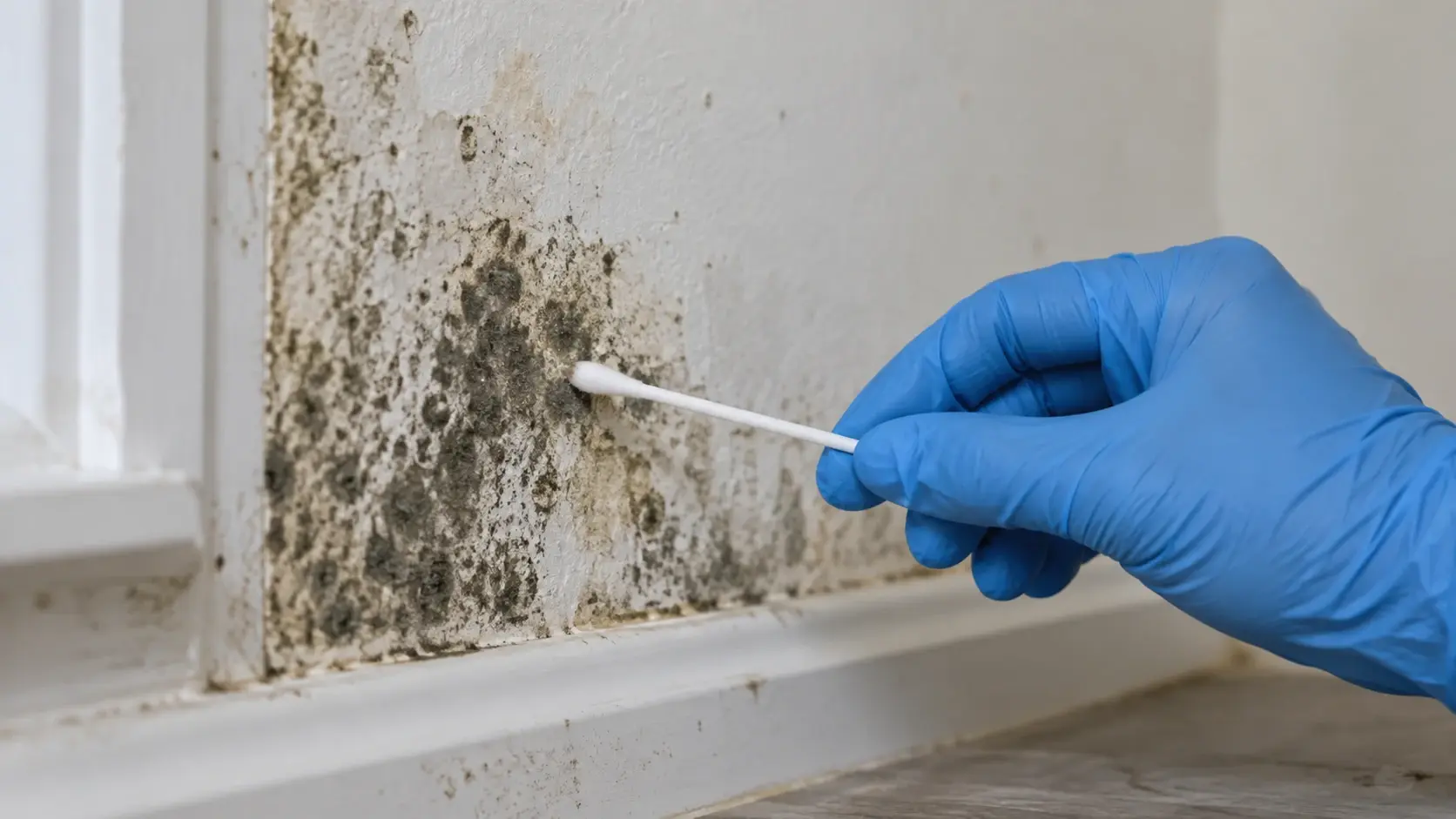
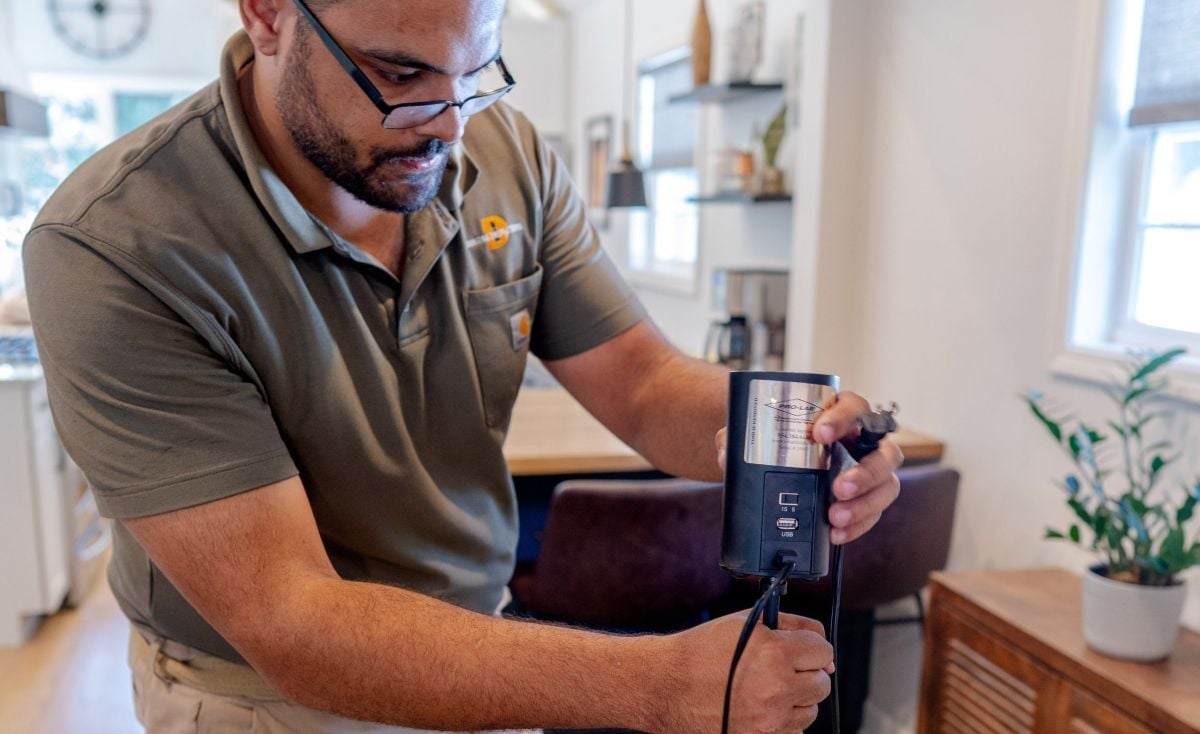
Mold surface sampling from suspicious material

Mold Surface Sampling

Targeted testing of visible or suspicious material

Surface sampling is generally performed when visible growth, staining or another suspicious material is identified during an inspection. A specimen is collected directly from the specific surface and submitted to an independent laboratory for analysis.

What’s included:
✓
Targeted sample from a specific suspicious surface
✓
Overnight shipment for independent laboratory analysis
✓
Laboratory identification of the submitted specimen
✓
Additional surface samples available when needed
Best for:
Visible or suspicious growth on a wall, ceiling, floor or other accessible surface. Surface sampling is typically an add-on service rather than a standalone mold inspection.
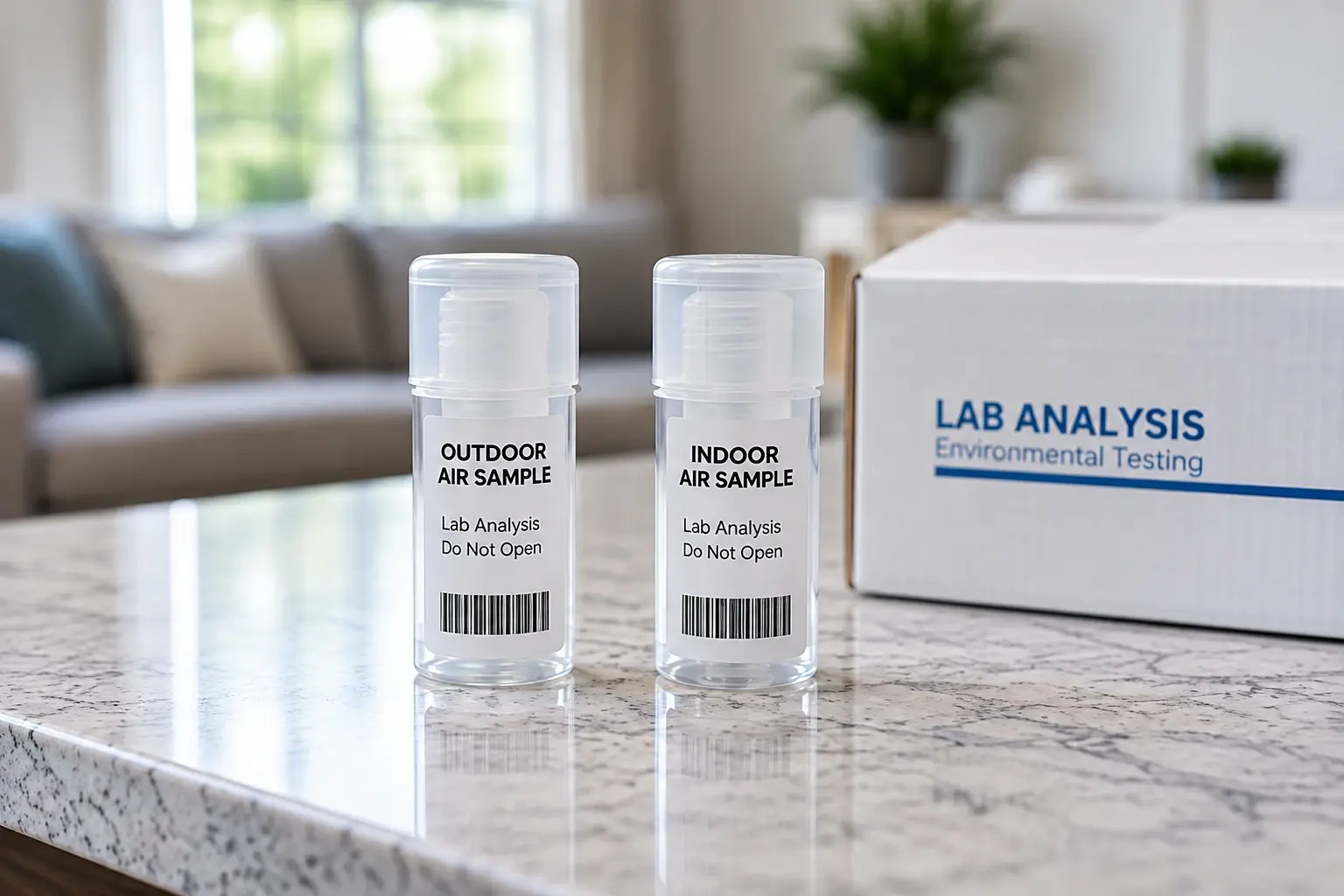
Indoor and outdoor mold air samples prepared for laboratory analysis

Mold Air Quality Testing

Evaluate airborne mold conditions inside the property

Mold air sampling evaluates airborne mold spores present during the testing period. Dunsing collects an outdoor air sample to establish a baseline and an indoor air sample so the laboratory findings can be evaluated in context.

What’s included:
✓
One outdoor baseline air sample
✓
One indoor air sample
✓
Independent laboratory analysis
✓
Indoor and outdoor findings evaluated together
Best for:
Musty odors, indoor mold concerns, suspected hidden mold or situations where obvious visible growth may not be present.
Mold surface sampling from suspicious material
Indoor and outdoor mold air samples for laboratory analysis
Our Most Complete Mold Service

Comprehensive Mold Investigation

Investigate the concern and the conditions contributing to it

A mold investigation goes beyond collecting samples. Dunsing performs a comprehensive visual evaluation of accessible areas, looks for evidence of water intrusion and moisture conditions, evaluates suspicious surfaces and includes targeted air and surface sampling.

What’s included:
✓
Comprehensive visual mold investigation
✓
Evaluation for water intrusion and moisture conditions
✓
Two mold air samples
✓
One mold surface sample
✓
Independent laboratory analysis
✓
Findings and recommended next steps
✓
Additional surface samples available when needed
Best for:
Multiple mold concerns, recurring moisture problems, previous water damage, unexplained odors or situations where you want the most complete understanding of what may be occurring.
 
Our Mold Testing Process
 

How the Mold Inspection & Testing Process Works

From the initial inspection through laboratory analysis and final results, Dunsing follows a straightforward process designed to help you understand what was found, what the testing shows and what steps may be appropriate next.

1
Step One
Visual Inspection
We evaluate accessible areas for visible mold-like growth, staining, discoloration and other conditions that may indicate a mold or moisture concern.
2
Step Two
Identify Moisture Sources
We look for evidence of leaks, water intrusion, elevated moisture, condensation and other conditions that may be contributing to mold growth.
3
Step Three
Collect Samples
Depending on the service and conditions found, Dunsing collects the appropriate mold air samples, surface samples or both for laboratory analysis.
4
Step Four
Overnight Lab Submission
Collected specimens are labeled, packaged and shipped overnight to an independent third-party laboratory for analysis.
5
Step Five
Receive Your Results
Dunsing provides the laboratory results back to you and helps explain the findings in the context of the inspection or testing performed.
 
Understanding the Findings
 

Understanding Your Mold Test Results

Laboratory results can help identify the types and relative amounts of mold detected in submitted air or surface samples, but the numbers are only part of the picture. Dunsing helps put the results into context with the conditions observed during the inspection, including moisture, water intrusion and other factors that may be contributing to mold growth.

Understanding Mold Test Results

Laboratory Results
Laboratory analysis identifies the mold or fungal material detected in the submitted sample and provides information about the relative amount present according to the testing method used.
Mold Types Identified
Laboratory reports can identify the types or groups of mold detected in the submitted samples, helping provide more context for the conditions found at the property.
Indoor vs. Outdoor Comparison
For mold air testing, indoor findings are evaluated alongside the outdoor baseline sample to provide context for what was detected inside the property.
Testing Has Limitations
Sampling represents the conditions in the locations tested at the time the samples were collected. It does not confirm that mold is absent from every inaccessible or untested area.
Why Interpretation Matters
Laboratory findings are most useful when considered alongside the inspection findings, sample locations and moisture conditions observed at the property.

Moisture Is Usually the Real Story

Mold needs moisture to grow. Identifying mold is important, but finding and correcting the leak, humidity, condensation or water-intrusion condition contributing to it is often the key to preventing the problem from returning.

✓
Mold can return if the underlying moisture condition is not corrected.
✓
Dunsing looks for visible evidence of leaks, water intrusion, condensation and elevated moisture conditions during a mold investigation.
✓
Mold remediation alone may not provide a lasting solution if the moisture source remains.
✓
Managing humidity, improving ventilation and correcting water intrusion can help reduce the conditions that support future mold growth.
Find the source. Address the moisture. Help reduce the conditions that allow mold to return.
 
When to Consider Mold Testing
 

When a Mold Inspection Is Especially Helpful

Mold concerns do not always begin with obvious visible growth. Past water intrusion, recurring moisture, unusual odors or suspicious staining can all be reasons to take a closer look at conditions inside a property.

After Leaks
Plumbing, roof or appliance leaks can leave moisture behind even after the visible water is gone.
After Flooding
Significant water intrusion can leave damp building materials and create conditions where mold may develop.
Visible Staining
Unexplained staining, discoloration or suspicious surface growth may warrant closer evaluation or surface sampling.
Musty Odors
Persistent musty odors may justify further investigation even when obvious mold growth is not visible.
Real Estate Transactions
Testing can provide additional information when mold or moisture concerns are identified during the purchase or sale of a property.
Health-Related Concerns
When occupants have health concerns and a damp or moldy environment is suspected, property testing can provide information about environmental conditions. It is not a medical diagnosis.
Recurring Moisture
Repeated humidity, condensation or water-intrusion problems can create ongoing conditions that support mold growth.
Landlords & Property Management
Mold inspections can help document conditions when tenants, owners or property managers report potential moisture or mold concerns.
 
Why Dunsing

Experience You Can Trust

For decades, Dunsing has provided residential and commercial inspections throughout Chicagoland. Our experienced inspectors combine local knowledge, ongoing training and detailed reporting to help buyers, sellers and homeowners better understand the properties they depend on.

✓
Licensed home inspectors
✓
Decades of residential and commercial inspection experience
✓
Detailed, easy-to-understand inspection reports
✓
Responsive, knowledgeable inspection team
✓
Trusted by homeowners, buyers and real estate professionals
Loading Google reviews…

Frequently Asked Questions

What is a mold inspection?

A mold inspection evaluates a property for visible mold-like growth, moisture conditions, water intrusion, staining, unusual odors and other conditions that may contribute to mold growth. Depending on the situation, the inspection may also include mold air sampling or surface sampling for laboratory analysis. 

What types of mold testing does Dunsing offer?

Dunsing offers three primary mold services: targeted mold surface sampling, mold air quality testing, and comprehensive mold investigations. The appropriate service depends on whether there is visible suspicious material, concern about airborne mold spores, or a broader mold and moisture problem that needs to be investigated. 

What is mold surface sampling?

Surface sampling is used when visible growth, staining or another suspicious material is present on a specific surface. A specimen is collected from that area and submitted to an independent third-party laboratory to help identify the mold or fungal material present in the sample. Surface sampling is typically an add-on to another inspection rather than a standalone mold inspection. 

How does mold air quality testing work?

Dunsing collects an outdoor air sample to establish a baseline and an indoor air sample from the property. Both samples are analyzed by an independent laboratory so the indoor findings can be evaluated in the context of the outdoor environment. Air sampling reflects airborne mold conditions at the locations and time the samples were collected. 

What is included in a comprehensive mold investigation?

A comprehensive mold investigation includes a visual evaluation of accessible areas, investigation of water intrusion and moisture conditions, evaluation of suspicious surfaces, two mold air samples and one surface sample. The samples are submitted for independent laboratory analysis, and Dunsing provides the results and recommended next steps. Additional surface samples can be collected when needed. 

Do you always need to take mold samples?

No. Sampling is not necessary in every situation. If obvious mold-like growth or moisture conditions are present, the most important issue may be identifying and correcting the moisture source. Sampling can be helpful when the material needs to be identified, mold is suspected but not readily visible, airborne conditions are a concern, or additional documentation is needed. 

Can a mold inspection find hidden mold?

A mold inspection can identify conditions that may suggest concealed moisture or mold, such as staining, elevated moisture, musty odors or evidence of past water intrusion. However, an inspection cannot guarantee that mold will be found in every concealed or inaccessible area without removing building materials. 

How are mold samples analyzed?

Samples collected by Dunsing are labeled, packaged and shipped overnight to an independent third-party laboratory for analysis. The laboratory examines the submitted specimens and reports its findings, including the mold or fungal material detected and other information associated with the testing method used. 

How long does it take to receive mold test results?

Dunsing ships collected mold samples to the laboratory overnight. Laboratory turnaround can vary depending on the type of sample and analysis being performed. Once the results are available, Dunsing provides them back to the client and helps explain the findings in the context of the inspection. 

Can mold testing tell me whether the mold is dangerous?

Mold testing can identify mold types and provide information about what was detected in the submitted samples, but it does not diagnose health conditions or determine whether a property is medically “safe” or “unsafe.” There are also no federal pass-or-fail limits for normal indoor mold levels. Anyone with health concerns should discuss them with a qualified healthcare professional. 

Does Dunsing perform mold remediation?

No. Dunsing focuses on inspection, testing and identifying conditions that may be contributing to mold growth. Keeping inspection and testing separate from remediation allows us to provide an independent assessment. When remediation or repairs are appropriate, we can recommend that the client consult a qualified contractor or mold remediation professional. 

How much does mold testing cost?

Pricing depends on the service performed. A mold surface sample is $169 for the first sample, with additional surface samples at $139 each. Mold air quality testing, which includes an outdoor baseline sample and an indoor air sample, is $329. Comprehensive mold investigations include a broader property evaluation along with air and surface sampling, so pricing depends on the scope of the investigation, but typically starts around $489.
 
Our Expert Inspection Services
 

Specialized Services for a Deeper Look

In addition to standard property inspections, we offer a range of specialized services to uncover potential issues, evaluate key systems, and provide greater peace of mind.

Radon Testing

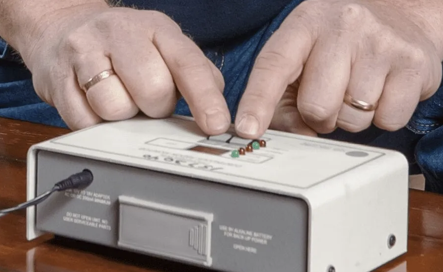
  • Radon is an invisible, odorless gas and the second leading cause of lung cancer. Our professional radon testing services deliver accurate results, giving you the information you need to protect your home and the people who matter most.

Sewer Surveys

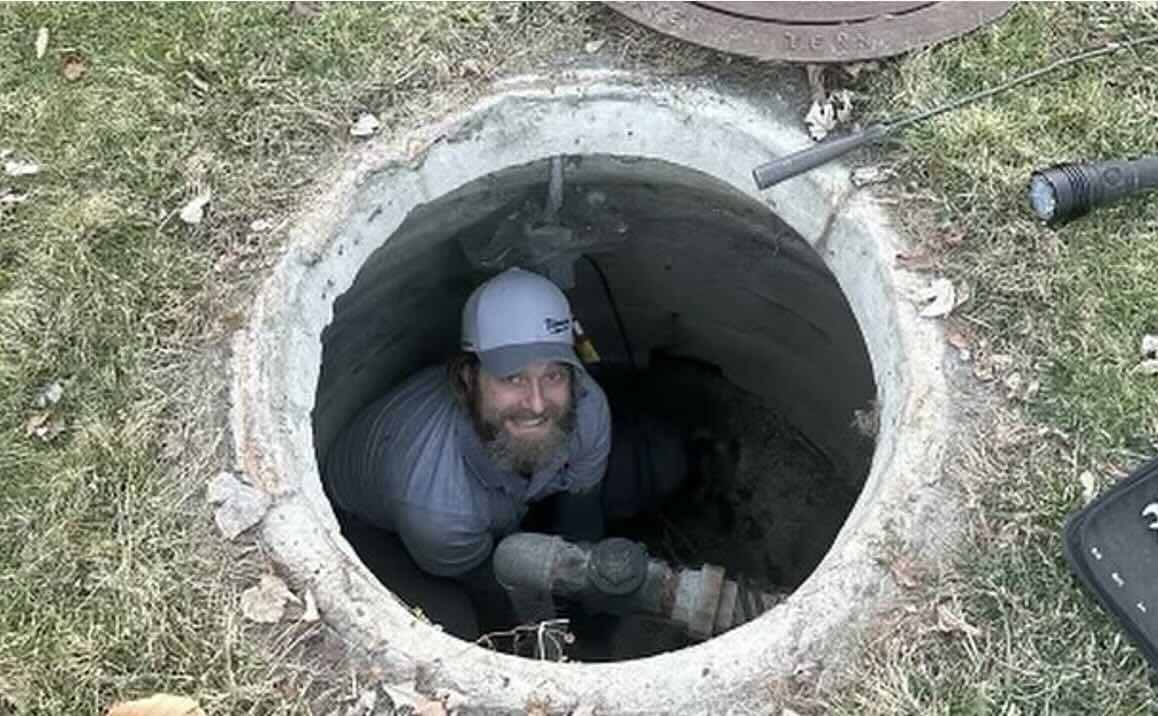
  • Sewer line problems are often hidden from view and impossible to detect without a camera inspection. Our professional sewer camera inspections provide accurate results to help protect your home, your investment, and your peace of mind.

Mold Testing

  • Mold can grow unnoticed behind walls and in hidden areas, impacting your home's air quality and your family's health. Our professional mold testing services provide accurate results to help protect your home and the people who matter most.

Chimney Scan

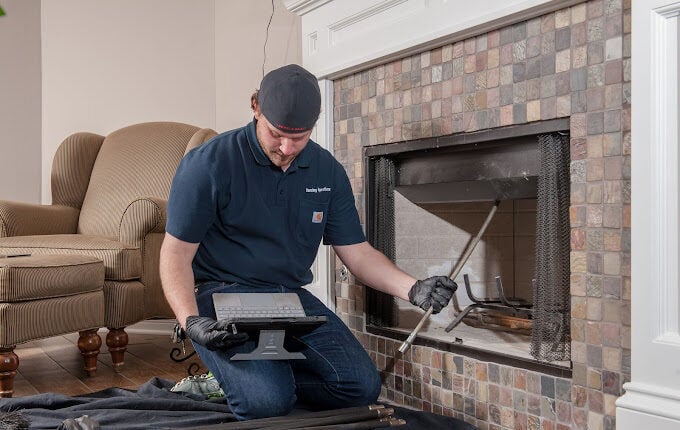
  • Hidden damage inside your chimney can increase the risk of dangerous house fires if left undetected. Our professional chimney scan services provide detailed results to help protect your home, your family, and your peace of mind.

Thermal Imaging

  • Hidden moisture, electrical hot spots, and missing insulation can lead to costly damage if left undetected. Our professional thermal imaging inspections provide detailed insights to help protect your home and your investment.

EIFS/Dryvit®

  • EIFS (synthetic stucco) can allow hidden moisture intrusion if not properly installed or maintained. Our professional EIFS inspections provide accurate results to help protect your home and prevent costly damage.

Meet Our Expert Inspectors


Get to know the experienced professionals behind every Dunsing inspection. Our licensed inspectors bring diverse backgrounds, extensive technical knowledge, and a shared commitment to providing thorough, dependable property inspections. Each member of our team is trained to clearly communicate their findings, answer your questions, and help you better understand your property. Meet our inspectors and discover the expertise, professionalism, and personal service that have helped build Dunsing’s trusted reputation.

Meet Our Expert Inspectors 


Get to know the experienced professionals behind every Dunsing inspection. Our licensed inspectors bring diverse backgrounds, extensive technical knowledge, and a shared commitment to providing thorough, dependable property inspections. Each member of our team is trained to clearly communicate their findings, answer your questions, and help you better understand your property. Meet our inspectors and discover the expertise, professionalism, and personal service that have helped build Dunsing’s trusted reputation.

Explore Our Latest Blog Posts

Explore Our Latest Blog Posts


Stay informed with practical tips, expert guidance, and helpful insights designed to protect your home and make homeownership easier. Explore our latest articles covering home inspections, maintenance, common concerns, and what homeowners and buyers should know.

Home Inspections Homebuyers & Homeowners Real Estate Agents
Your Inspector Found Some Issues. Now What?

Your Inspector Found Some Issues. Now What?

An inspection report can feel overwhelming. Learn how to prioritize findings, compare repair proposals, verify contractor credentials, and choose the right next steps before committing to work on

Read More

Jamie Dunsing Oct 5, 2026
Home Inspections Commercial Inspections Homebuyers & Homeowners
Insurance Inspections

Insurance Inspections

Your insurer may request a property inspection even after you have purchased a home. Learn what insurance inspections can cover, why they are requested, and how to prepare for the process.

Read More
Jamie Dunsing Oct 5, 2026
Home Inspections Homebuyers & Homeowners Real Estate Agents
Does a home buyer really need a Mold Inspection?

Does a home buyer really need a Mold Inspection?

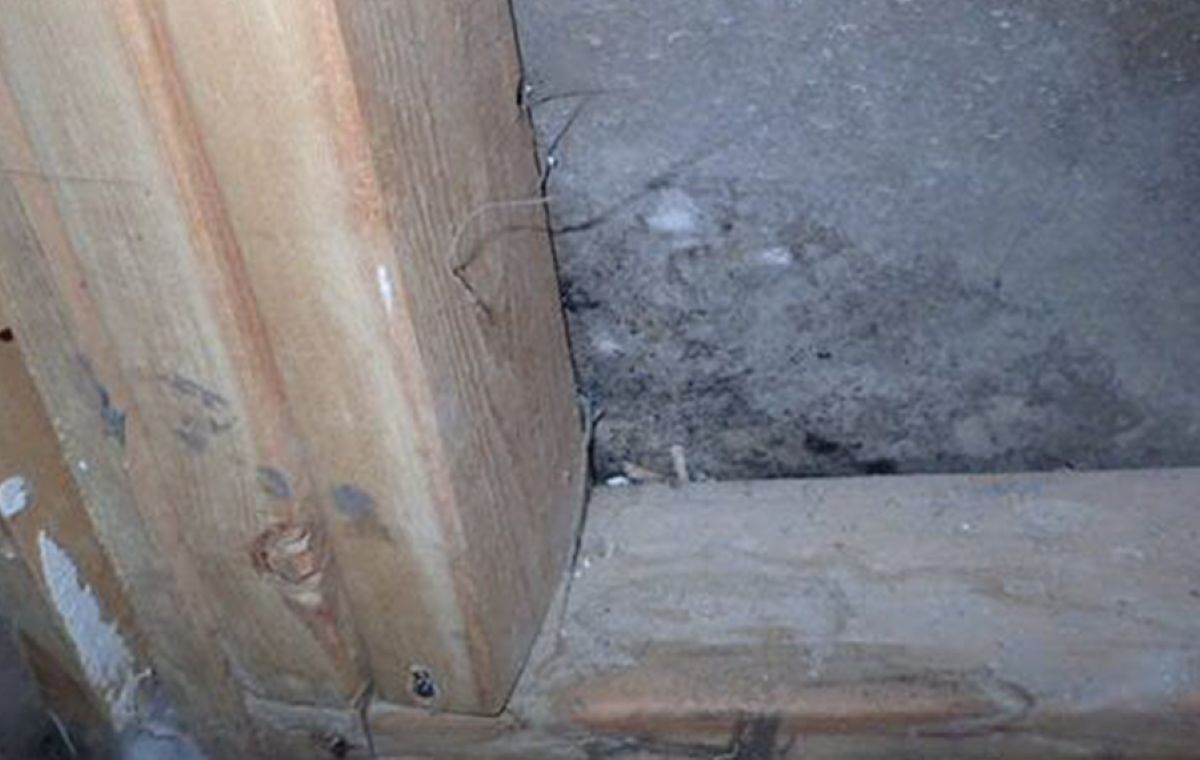
Mold concerns often start with moisture or visible warning signs. Explore how a home inspection, specialized mold evaluation, and third-party testing can help you understand what needs further

Read More

Jamie Dunsing Oct 5, 2026
Home Inspections Homebuyers & Homeowners Real Estate Agents
Realtor Reforms: What Home Buyers Can Expect After the NAR Settlement

Realtor Reforms: What Home Buyers Can Expect

Changes following the 2024 NAR settlement raised new questions for buyers and real estate professionals. Jamie shares his perspective on buyer representation, compensation, and the potential impact

Read More

Jamie Dunsing Oct 5, 2026
Home Inspections Homebuyers & Homeowners Real Estate Agents
Uh-Oh, Honey, I think we just bought a house!

Uh-Oh, Honey, I think we just bought a house!

The final walkthrough deserves as much attention as the earlier steps in your purchase. Use our pre-closing checklist to review repairs, test systems, and spot changes before taking ownership.

Read More
Jamie Dunsing Oct 5, 2026
Home Inspections Commercial Inspections Homebuyers & Homeowners Real Estate Agents
Does your house suck? (Water, that is!)

Does your house suck? (Water, that is!)

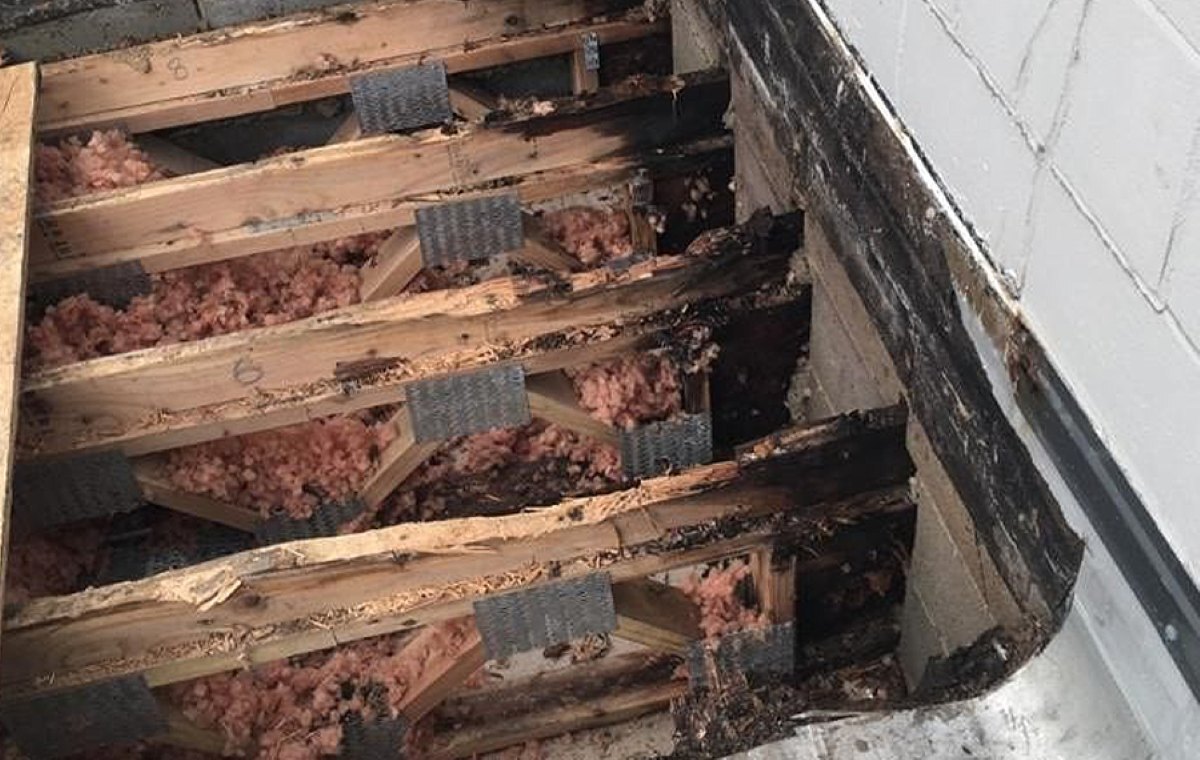
Split-faced block can allow water into a building when construction details and maintenance fall short. Learn what to look for and why moisture concerns may call for a specialized evaluation.

Read More


Jamie Dunsing Oct 5, 2026